
Outdoor Education: What It Is, Benefits & More
Not every lesson needs four walls and a whiteboard. Sometimes, children learn just as much by exploring a creek, tending a school garden, or observing wildlife as they do sitting at a desk. Outdoor education gives students opportunities to put classroom lessons into practice and discover new interests along the way. If you're exploring schools for your child, understanding how outdoor learning works can help you decide which approach feels like the right fit.
Key Takeaways
- Outdoor education uses experiences outside the traditional classroom to help children learn through exploration and hands-on activities.
- Outdoor learning can complement classroom instruction while giving students opportunities to practice problem-solving and collaboration.
- Schools approach outdoor education differently, from occasional field trips to regular lessons in natural environments.
- The right outdoor learning experience depends on your child's interests, needs, and preferred way of learning.
What Is Outdoor Education?
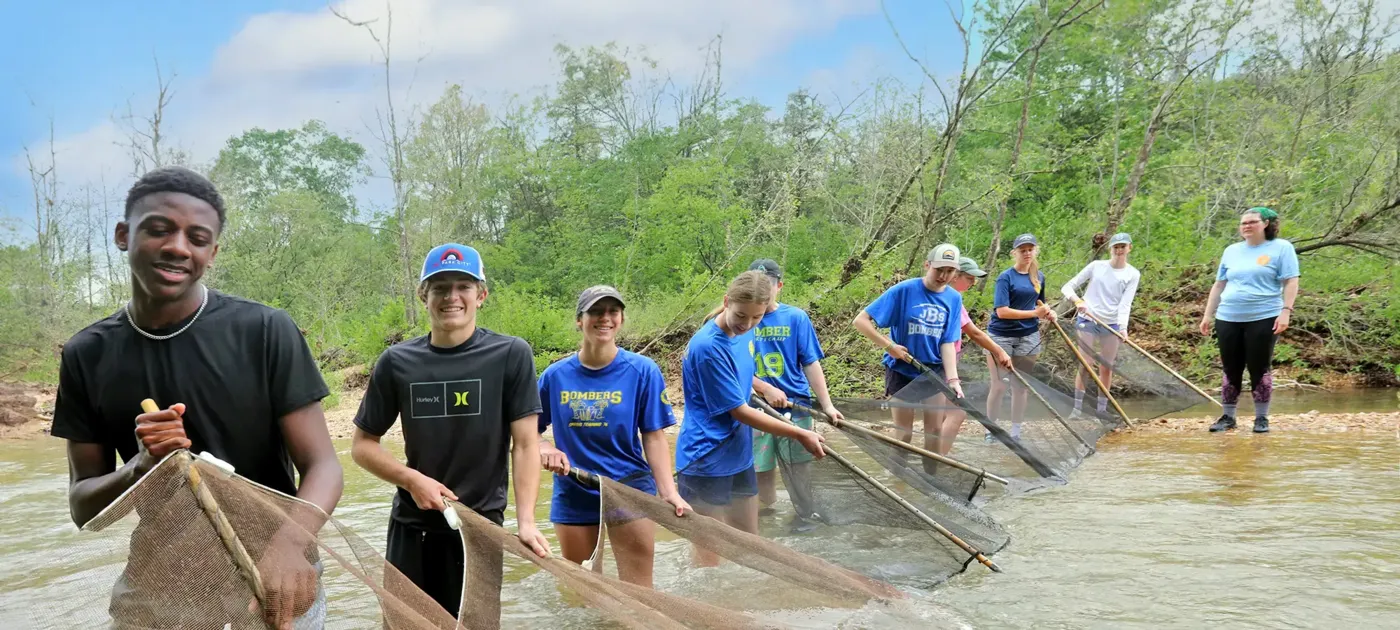
Outdoor education is an approach to teaching that uses outdoor environments as part of the learning experience. Instead of only reading about a subject or discussing it in class, students get opportunities to explore concepts firsthand. For example, a science lesson about aquatic ecosystems might take place beside a pond, where children can observe plants and insects in their natural environment.
Common Forms of Outdoor Education
Outdoor education looks different from one school to another. At some schools, students might spend time in a garden planting vegetables and learning how they grow. At others, teachers might take science lessons outside so children can study local wildlife, observe changes in the weather, or explore nearby ecosystems.
Field trips to parks and nature centers are another way schools bring learning outdoors. Some programs also give students opportunities to participate in environmental projects or take on age-appropriate challenges, such as hiking and team-building activities.
There's no single right way to approach outdoor education. What matters most is how a school uses those experiences to support your child's learning and interests.
Aims and Outcomes of Outdoor Education
Outdoor education lets kids take what they've learned in class and put it to use in the real world. Instead of just reading about ecosystems, for example, students can head outside and see how plants and animals interact. It's a different way to learn and, for some children, getting to see things firsthand helps the lessons stick.
What's the Philosophy Behind Outdoor Education?
The idea behind outdoor education is pretty simple: children can learn a lot by getting out and experiencing things for themselves. Rather than having a teacher explain every concept, students have opportunities to explore, ask questions, and figure things out along the way.
The approach has roots in experiential learning, a philosophy influenced by educator John Dewey. He believed that experience plays an important role in education, especially when students have time to think about what they've learned.
Learning Doesn't Have to Stop at the Classroom Door
Sometimes, a change of scenery is all it takes to get a child interested in something new. Outdoor education gives students the chance to get curious, try things for themselves, and enjoy learning in a different setting. Not every child will love digging in a garden or hiking through the woods, and that's okay. The important thing is giving children different ways to learn and discover what interests them.
FAQs
Research points to some real benefits of learning outdoors. A 2021 University of Nebraska-Lincoln review found that outdoor learning experiences were linked to greater student motivation and improved understanding of school subjects. Of course, simply taking a class outside doesn't automatically make a lesson better. What children do outdoors, and how teachers build on those experiences, makes a difference.
Outdoor learning doesn't require specialized equipment or a trip far from home. You can encourage curiosity by planting a small garden, observing birds in your neighborhood, collecting leaves to compare their shapes, or keeping a weather journal together. For younger children, even a walk around the block can become a learning opportunity when you ask what they notice and give them time to explore. The best activities are age-appropriate and give your child a chance to ask questions, make discoveries, and have fun.