Private School vs Public School: Which is Right for My Child?
Choosing a school is a big decision, and it's natural to wonder if your child might thrive in a different learning environment. Public and private schools both offer valuable educational opportunities, but their approaches can look quite different. The good news? There's no single "best" school for every child. Understanding the differences between private school vs public school can help you figure out what matters most to your family and where your child might feel most at home.
Key Takeaways
- Public schools are tuition-free and funded by the government. Private schools typically charge tuition and receive support from donations.
- Private schools have more freedom to decide what they teach and how they teach it, giving families different learning approaches to explore.
- Class size, academic programs, student support, and school culture can vary considerably within both public and private education.
- The right school for your child depends on their individual needs, your family's priorities, and the learning environment where they feel supported.
Private vs Public Schools at a Glance
|
Public Schools |
Private Schools |
|
|
Funding Source |
Taxes |
Tuition |
|
Cost to Families |
Free |
Out of pocket (scholarships may be available) |
|
Admissions & Access |
Open to all within boundaries |
Selective |
|
Class Size |
Generally larger |
Generally smaller |
|
Curriculum |
Must follow state and federal guidelines like Common Core |
More flexibility for specialized curriculum like Montessori or faith-based education |
About Public Schools
Public schools provide free education to eligible students and receive funding from government sources. Most operate through local school districts, which oversee curriculum requirements and school policies.
For many St. Louis families, public schools offer a strong educational foundation close to home. The experience can differ significantly depending on the district and individual school.
Funding Source
Public schools get their funding from local, state, and federal governments. In Missouri, much of that money comes from property taxes and state funding. Because funding varies by district, some schools have more resources and programs to offer than others.
Cost to Families
Public schools do not charge tuition to eligible students. Families may still encounter expenses for school supplies, extracurricular activities, or certain programs. For families weighing the financial commitment of private education, tuition-free public schooling can be an important consideration.
Admissions & Access
Most traditional public schools enroll students based on where their families live. School district boundaries generally determine which schools children can attend. Some districts also offer magnet schools or specialized programs that require applications, lotteries, or additional eligibility criteria.
Class Size
Public school class sizes and student-teacher ratios vary by district, grade level, and available resources. Larger schools may offer a wider selection of courses or extracurricular activities, although families may want to ask how teachers provide individual attention. It's also worth remembering that a school's student-teacher ratio doesn't necessarily reflect how many children sit in each classroom.
Curriculum
Missouri public schools follow state academic standards that establish expectations for student learning. Schools and districts develop instructional programs to meet those standards, with opportunities for advanced coursework, career-focused education, and specialized electives depending on the school.
Teacher Requirements
Missouri public school teachers generally must hold appropriate state teaching certification. Certification requirements establish expectations for teacher preparation and professional qualifications. Schools may also provide ongoing professional development to support their faculty.
About Private Schools
Private schools operate independently of public school districts. They establish their own educational missions and policies, which gives families a wider range of approaches to consider.
An important distinction: Not all private schools are independent schools. Independent schools typically operate under their own governing boards rather than a public district or outside organization.
Funding Source
Private schools primarily rely on tuition, charitable contributions, and other private sources of funding. Some also have endowments that support school operations or financial aid. Because private schools manage their own resources, they can make decisions about educational priorities based on their individual missions.
Cost to Families
Unlike public schools, private schools generally charge tuition. Costs vary considerably depending on the school, grade level, and programs offered. However, don't assume private education is out of reach before exploring your options. Many private schools offer financial aid programs, so be sure to ask.
Admissions & Access
Private schools establish their own admissions processes, which may include applications, interviews, school visits, academic records, or student assessments. Admissions teams generally want to understand whether their school can support a prospective student's needs and whether the school's approach aligns with the family's expectations.
Each school has its own requirements and deadlines, so it's worth learning about the private school admissions process before you begin applying.
Class Size
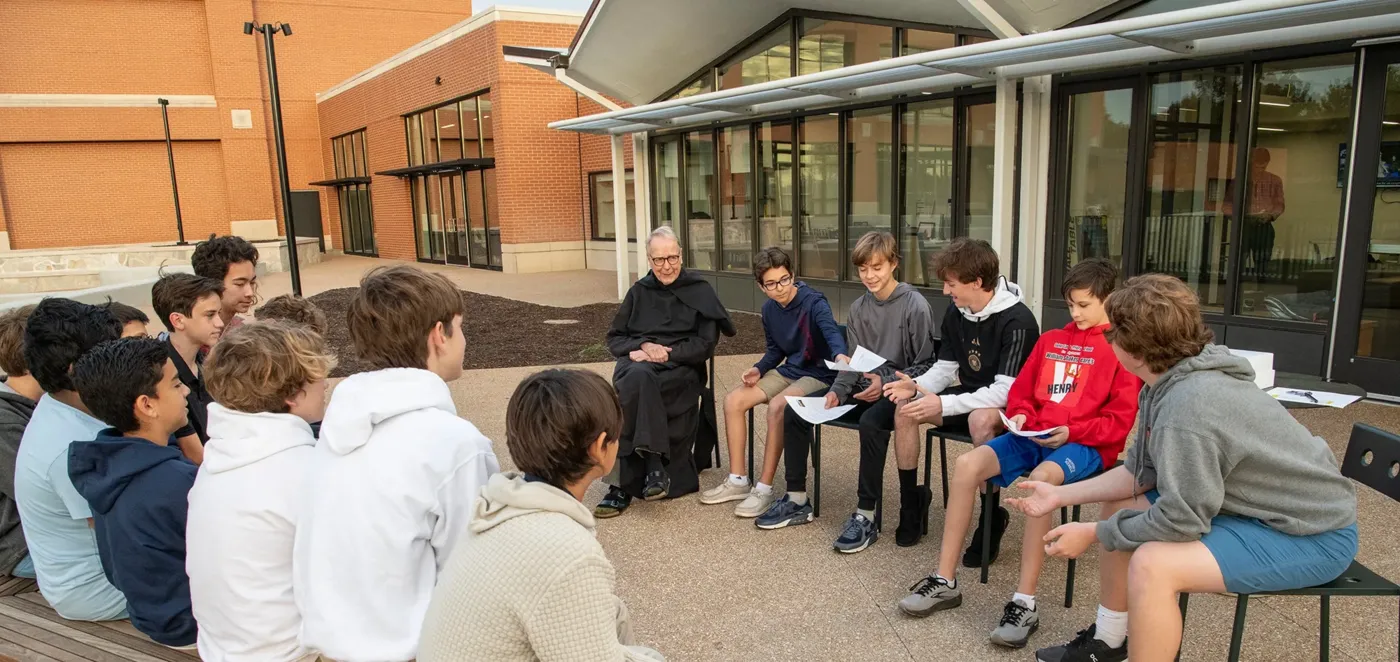
Smaller class sizes are one reason families consider independent schools. With fewer students in a classroom, teachers may have more opportunities to get to know each child's learning style and provide individual feedback. However, smaller doesn't automatically mean better. A supportive teacher in a larger classroom can make an enormous difference, too.
When visiting schools, ask about both average class size and student-teacher ratios. More importantly, pay attention to how teachers interact with students.
Curriculum
Private schools have more freedom to decide what they teach and how they teach it. Some follow traditional academic programs, while others emphasize hands-on learning, student-led exploration, or a particular educational philosophy like Montessori. Many also offer specialized courses and opportunities that reflect their school's interests and priorities. For families, that means more options to find a curriculum that fits how their child learns best.
Teacher Requirements
Unlike public school teachers, private school teachers in Missouri generally don't need state teaching certification. However, each school sets its own hiring standards. When visiting a school, don't hesitate to ask about the teachers. What experience do they bring to the classroom? How does the school help them continue learning and growing as educators?
Is a Private or Public School the Right Choice?
There's no right answer for every family. Public schools offer tuition-free education and access to district programs, while private schools may offer smaller classes or a particular approach to teaching. What matters most is finding a school that works for your child.
As you compare your options, ask yourself:
- How does my child learn best?
- What matters most to our family?
- What support does my child need?
- What's realistic for our family?
One of the best ways to narrow your options is to visit schools. Seeing classrooms in action and meeting teachers can tell you a lot more than a website ever could.
Finding the Right Private School in St. Louis, Missouri
If you're considering independent education, St. Louis offers plenty of options worth exploring.
At Independent Schools of St. Louis (ISSL), we help families navigate the local independent school landscape without the guesswork. Our member schools represent a range of educational philosophies, grade levels, and communities.
Not sure where to begin? Here's what we recommend:
- Start with your child. Think about what they enjoy about their current school and what you'd like to see change.
- Explore your options. Compare independent schools based on their programs, educational philosophies, and locations.
- Visit a few schools. Attend open houses and give your child opportunities to experience different environments.
- Ask about affordability. Request tuition information and explore financial aid opportunities before ruling out a school.
- Plan ahead. Many independent schools begin their admissions process in the fall before the enrollment year, with applications commonly due in winter. Confirm each school's deadlines.
Remember, you don't need to have everything figured out before you start looking. Exploring your options is part of making a thoughtful decision.
It's About the Right Fit, Not the School Type
A great school experience isn't defined by whether a school is public or private. It's defined by how well the school meets your child's needs. Take your time, ask questions, and involve your child in the process when appropriate. The more you understand your options, the more confident you can feel about choosing a school where your child has room to grow.
FAQs
Charter schools are taxpayer-funded schools that operate under agreements called charters rather than local school districts. In Missouri, charter schools have greater flexibility in certain decisions but must meet accountability requirements. Like other public schools, charter schools are nonreligious.
Not necessarily! Both can be great options. Private schools may offer smaller classes and different approaches to teaching, while public schools may have more course options or support services. It really comes down to what your child needs and which school feels like the right fit.
It depends on the school. Some private schools focus on challenging college-preparatory courses, while others encourage students to learn through hands-on projects. When visiting schools, ask what they expect academically and how they challenge students who are ready for more.